When the sizzle of garlic hits scorching steel, your wok will become extra than a pan. It’s a canvas for style and a accomplice in the pursuit of quality food. Yet the iconic question lingers for passionate chefs and residence chefs alike: forged iron or carbon metallic? Both styles of wok can create that elusive wok hei, the breath of the wok, however their preservation needs are dissimilar. The debate broadly speaking receives tangled in nostalgia, culture, or a flurry of on-line suggestions. Let’s lower because of the haze and get proper about what it’s prefer to dwell with - and season - those two titans of the stovetop.
The Nature of the Beasts
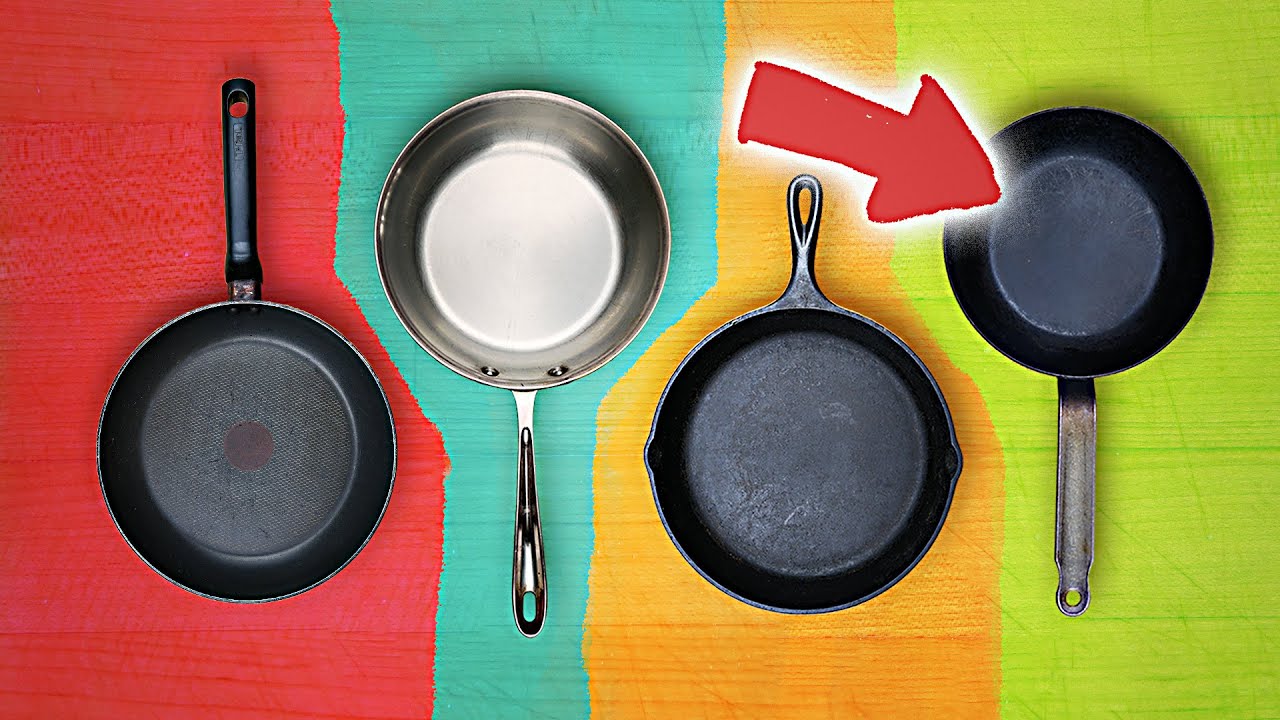
Before diving into rituals and remedies, it pays to know what sets forged iron and carbon metallic apart. Both metals are iron-based, however their personalities couldn’t be greater distinct.
Cast iron is heavy and thick. A popular solid iron wok can weigh among 8 and 12 kilos for a kinfolk-sized model. Its mass keeps warmth stubbornly, which is the two blessing and curse. Carbon metallic, in spite of this, is lean and responsive. A 14-inch carbon metallic wok infrequently suggestions the scale beyond 4 pounds. It heats and cools rapid, letting you dance from sear to simmer in seconds.
The actual modifications lift into upkeep. Cast iron has a rougher floor and more pores. It loves fats - it soaks up oil all over seasoning and cooking, construction a nonstick layer over the years. Carbon metallic begins close to slick to touch yet reacts with air faster. It’s prone to rust if missed, but it also seasons briskly with authentic use.
Why Seasoning Matters
Seasoning isn’t some esoteric chef’s ritual. It’s a sensible protect: a skinny, polymerized layer of oil at the metal that blocks rust and retains delicacies from sticking. For woks principally, this sediment is as considered necessary as sharp knives or fresh ginger.

A properly-pro wok does two issues. First, it creates a usually nonstick surface with no artificial coatings which could wear or flake. Second, it infuses dishes with sophisticated flavors over time - contemplate it as culinary patina. Without seasoning, equally solid iron and carbon steel will rust at the primary whiff of moisture. Worse yet, unseasoned surfaces grasp onto food like glue.
But the following’s where things diverge: cast iron and carbon metallic every call for their personal system to building and conserving that protective pores and skin.
Breaking In: The First Seasoning
Unboxing a brand new wok seems like unwrapping possibility. But earlier than you stir-fry whatever, you face the seasoning gauntlet. The method is related in theory for both metals - fresh off factory oils, heat, apply oil, repeat - however the satan is in the info.
With solid iron woks, initial seasoning is gradual however forgiving. Their porous surface drinks up oil; it will probably take numerous rounds of heating and oiling to achieve a deep bronze or black finish. Usually, I recommend at least three thorough cycles at 450°F inside the oven for Western-kind forged iron (Lodge or comparable), with a thin coat of flaxseed or grapeseed oil whenever. At top altitudes or with antique Chinese hand-hammered solid iron, I’ve seen cooks cross six or more cycles previously that telltale sheen appears.
Carbon metallic is more dramatic. The first seasoning aas a rule happens good on the stovetop. After scrubbing off the protecting manufacturing unit lacquer (in most cases with warm water and a scouring pad), you’ll warmth the wok until eventually it starts off to blue or yellow with oxidation. Then you swirl in a excessive-smoke-point oil - peanut or canola work properly - and use paper towels and tongs to wipe the wok until purely a whisper of oil remains. The wok will darken well-nigh right now. One or two cycles should be sufficient for a first rate head commence.
Here’s a convenient contrast for that preliminary smash-in:
| | Cast Iron Wok | Carbon Steel Wok | |----------------|------------------------------|------------------------------| | Weight | Heavy (8-12 lbs) | Light (2-four lbs) | | First Seasoning| Multiple oven cycles crucial | Quick stovetop burn-in | | Oil Absorption | High | Moderate | | Surface | Rougher | Smoother | | Rust Risk | Lower (once pro) | Higher (if omitted) |
Living With Your Wok: Day-to-Day Maintenance
The seasoning adventure doesn’t stop after the first day. Real existence with these pans is about renovation workouts that turn into 2d nature - very like remembering to sharpen knives or wipe down counters.
Cleaning Up After Cooking
Cast iron woks have some tolerance for gentle detergents if they’re neatly professional, yet routine cleansing should still be easy. I often permit the pan cool simply ample to address (on no account plunge sizzling solid iron into cold water - it dangers cracking). Then I use warm water and a stiff brush to nudge off food bits. If anything sticks, kosher salt works as an abrasive that gained’t ruin the seasoning.
For carbon metal, I’m even greater cautious. Strong soap can strip the seasoning easily. Hot water and a tender sponge are regularly sufficient. Tough spots may perhaps desire a bamboo wok brush or maybe just a handful of scorching rice swirled around. After rinsing, each versions go again on the burner for a minute or two to evaporate each drop of moisture.
Oiling: The Unsung Habit
After each cleaning, I swipe a thin film of oil over the nice and cozy floor. For forged iron, this step is forgiving; you can still use some thing neutral oil is to hand. Carbon metallic prefers prime-smoke-point oils or lard - stay clear of olive oil, which will get sticky and off through the years.
This on daily basis ritual appears minor however makes the big difference among an heirloom wok and one which rusts lower than your nose. If you notice uninteresting spots or rust flecks, simply repeat the smash-in system in the ones regions.
The Occasional Deep Season
Even with steady care, each styles of wok every now and then desire rejuvenation. Acidic dishes (tomatoes or vinegar-depending sauces) or burnt sugar can strip patches of seasoning. When that occurs, scrub all the way down to bare steel and redo your initial seasoning steps simply in that spot.
A carbon metallic wok bounces back soon - one high-warm consultation and it’s capable once more. Cast iron is slower to heal: assume two or 3 oven cycles for deep restore.
How Each Metal Ages Over Time
Woks boost personality as they age. Cast iron progressively turns from brownish-black to an obsidian gloss with regular use. The floor gets smoother; eggs slide off with barely a nudge after months of stir-fries and shallow frying.

Carbon metallic darkens in streaks and patches ahead of reaching an excellent blue-black end. Part of the joy is gazing those “fight scars” merge into uniformity over years - it’s proof that you simply cook recurrently and properly.
I’ve inherited the two kinds from older family members and noticed that carbon steel has a tendency to show greater personality early on due to the fact its seasoning reacts faster to totally different meals and oils. Cast iron feels pretty much stoic in assessment: slow to replace, yet rock-secure once confirmed.
Edge Cases and Everyday Annoyances
No pan is splendid for each prepare dinner or kitchen. Over many years of domestic ingredients, pop-up dinners, and eating place work, designated quirks emerge that hardly ever get cited in revenues brochures.
Cast iron woks are well-nigh unimaginable to use on glass-accurate stoves by using their weight and rounded bottoms. If you've gotten vulnerable wrists or confined storage house, hauling out a 10-pound pan for nightly noodles receives outdated fast. On the upside, they’re essentially indestructible if dropped or banged round.
Carbon steel woks call for vigilance in opposition t rust in humid climates. I’ve viewed completely professional pans move orange in a single day right through wet seasons if left unwiped or saved damp. They additionally warp more truly over excessive heat whenever you neglect to preheat slowly.
Both forms dislike dishwashers and lengthy soaks in water - even “dishwasher riskless” claims have to be left out for sturdiness’s sake.
When Things Go Wrong: Common Fixes
Every cook dinner faces setbacks now after which: rust blooms after an unintended soak; sticky residue refuses to budge; person burns garlic to cinders at some point of an energetic stir-fry consultation.
Here’s my cross-to troubleshooting listing when catastrophe moves:
If rust looks: Scrub back to naked metal with metallic wool or coarse salt and water. Dry correctly at the stovetop. Sticky patches: Heat the pan gently till tacky spots liquefy; wipe blank with paper towels, then reseason calmly. Flaking seasoning: Remove free flakes with smooth abrasion (not sandpaper), reapply oil sparingly, and bake at high temperature. Lingering odors: Fill with water and convey to a boil with slices of ginger or lemon peel; pour off and dry as accepted. Dull or gray places: Rub with clean oil while nevertheless warm after every single use; build to come back seasoning steadily with common cooking.A little persistence goes some distance - each cast iron and carbon steel forgive such a lot error with time and cognizance.
Real-World Examples: Stories from Two Kitchens
A few years to come back, I proficient my brother-in-legislation a carbon metallic wok for his new rental in San Francisco. He used to be excited however skeptical approximately upkeep - exceptionally seeing that his kitchen changed into tiny and lacked ventilation.
In simply 3 weeks of close-nightly use (regularly stir-fried vegetables and fried rice), his wok remodeled from light silver to streaked brown-black. A couple of overlooked cleaning periods at some point of foggy climate resulted in small rust spots; he panicked but revived it with salt scrubs and speedy seasoning cycles properly on his gasoline stove.
My very own cast iron wok has lived due to moves throughout 3 states and infinite Sunday dinners. During one disturbing month when I missed it after making mapo tofu (that is powerful on seasoning), it advanced obdurate sticky patches. It took endurance: 3 oven rounds at 500°F with flaxseed oil lastly restored its glassy conclude.
These testimonies underline an straightforward reality about wok upkeep: blunders are portion of the adventure, no longer signs and symptoms of failure.
Deciding Between Cast Iron Wok vs Carbon Steel
Some options come right down to think as an awful lot as statement. Both cast iron and carbon steel make stellar woks with real care - however their changes depend https://www.cookwarereviewhub.com/contact/ relying to your sort.
If you crave rock-strong sturdiness, don’t mind more weight, and typically cook on gas burners or over open flame, solid iron rewards endurance with lasting performance. It shrugs off difficult managing and may well be handed down generations.
If you would like agility - rapid temperature shifts, lighter managing, brief healing from blunders - carbon steel feels more spirited in day after day cooking. It’s forgiving of speedy-fireplace stir-fry classes but calls for diligence opposed to rust.
Here’s what clinches it for lots cooks:
- Cast iron is preferable for folks who enjoy slow cooking rituals and effective pans that double as serving vessels. Carbon metal suits anyone who values velocity and doesn’t mind widely wide-spread contact-u.s.a.
A Chef’s Perspective: Wisdom from Experience
Over several years running in restaurant kitchens alongside wok masters from Guangzhou to Chicago’s Chinatown, one lesson sticks out: seasoning just isn't approximately perfection however endurance.
No kitchen keeps its pans faultless on a daily basis - there are perpetually blemishes from moved quickly lunches or overzealous line cooks. The key's construction conduct: smooth promptly, dry completely, practice oil characteristically, prepare dinner usually.
On busy nights whilst we ran due to six carbon steel woks in keeping with station, not anyone fussed over patchy seasoning - we simply heated them dry between orders and wiped them down after service. In homestead kitchens with extra time for care and delight in every single meal, you could possibly nurture your wok into one thing targeted.
The Verdict: Which Will You Choose?
Both solid iron and carbon metal have earned their vicinity in kitchens around the world for decent reason. Their changes are real yet not insurmountable; their similarities remind us that exceptional cooking flourishes on recognition to element rather then gadgetry.
Whether you wield heavy cast iron or nimble carbon metal, treat your wok as extra than just cookware - deal with it as an evolving spouse in your culinary existence. With patience and movements maintenance adapted to your chosen metallic, you’ll unlock limitless style and years of trustworthy carrier from either desire.
So subsequent time your wok gleams under kitchen pale after an extra round of seasoning - whether glossy black or blue-streaked - realize that you just’re keeping alive not simply lifestyle however additionally the simple art of cooking neatly with what you have got.